










- Free shipping
- 9% less
Subtotal:$0.00
The C4 Corvette spans 1984-1996, a period with meaningful changes in styling, trim, interior equipment, engine applications, and electronics. That makes the generation rewarding to restore but less forgiving of broad fitment assumptions. This category is for owners preserving an original car, returning a project to the road, improving a driver, or building a more personal performance Corvette. Start by identifying the exact year and the condition of the vehicle. A part that is correct for one C4 may be wrong for another even when the cars share the same generation name. The right research protects the car's history, reduces rework, and helps the owner spend restoration money where it has the greatest practical effect over the life of the project and careful long-term ownership.
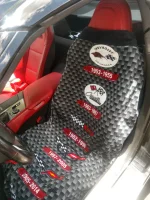
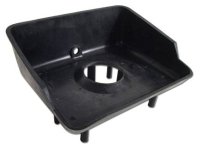
C4 projects often combine several kinds of work. Interior parts can address worn carpet, seats, trim, console areas, switches, and other visible details. Exterior pieces can refresh emblems, grilles, body trim, lighting, and weather-exposed components. Engine-bay, exhaust, intake, wheels, brakes, and suspension parts can improve presentation or driving confidence. Make a written list that separates safety and reliability from cosmetic finishing. This helps the owner invest in the work that makes the Corvette usable while preserving the pieces that matter for originality.
A regularly driven C4 benefits from durable materials, reliable seals, clear service access, and upgrades that tolerate real weather and mileage. A show-oriented car may prioritize correct finishes, detailed engine-bay presentation, and year-appropriate trim. A performance build may need careful attention to brakes, tires, cooling, suspension, and exhaust. These goals can overlap, but they do not always point to the same product. Decide whether the car is being preserved, improved, or personalized before selecting parts that affect its appearance or mechanical behavior.
Always confirm the model year within the 1984-1996 range, body style, engine, trim, side or position, material, and mounting method. Previous owners may have replaced panels, changed the interior, or altered the engine and exhaust. Compare the product with the part currently installed and photograph the area before disassembly. If a listing covers only a small portion of the C4 range, treat that limitation as important. For steering, brakes, suspension, fuel, electrical, and restraint systems, follow professional procedures and use qualified help when needed.
Older Corvette parts are easier to replace when the original installation has been recorded. Photograph fasteners, spacers, wiring paths, trim overlaps, and panel gaps. Label hardware and keep damaged original pieces until the replacement has been checked. Fiberglass, aged plastics, chrome, and older electrical connectors can require more patience than modern components. Test-fit new parts before refinishing or final attachment, and avoid using force to make a part fit an area that may have been repaired or modified in the past.
Southern Car Parts gives C4 owners a starting point for comparing restoration and personalization categories without treating every vehicle as the same. Begin with structure, brakes, steering, suspension, fuel, cooling, and electrical reliability. Then move to interior and exterior details that support the chosen level of originality. Engine-bay and performance accessories can follow once the mechanical baseline is understood. A staged plan protects the budget, preserves useful references, and makes each new part easier to evaluate.
A C4 restoration does not need to be completed in one season. Identify the next step, verify the year-specific application, inspect the material and finish, and record the work. Whether the goal is factory character, dependable driving, or a custom build, careful selection gives the Corvette a better chance of remaining enjoyable and historically recognizable.
Not always. Confirm the exact year and product application because trim and equipment changed across the generation.
Photograph mounting points, wiring, trim overlaps, hardware, and previous modifications before removing anything.
That depends on the project. Many owners preserve visible originality while making carefully chosen mechanical improvements.